
Last Updated: October 23, 2026
Quick Summary
To hydrate sensitive acne-prone skin, cleanse gently, layer water-based hydration like a toner or essence onto damp skin, and seal it with an oil-free, non-comedogenic gel moisturizer. Apply each layer within about 60 seconds so skin never fully dries between steps. Space your acne actives to two or three nights a week so your barrier can recover.
- Dry skin lacks oil, while dehydrated skin lacks water and can affect anyone, including oily skin.
- Apply hydrating toner or essence while skin is still damp so humectants have water to draw in.
- Choose gel or water-based moisturizers labeled non-comedogenic and oil-free instead of heavy creams.
- Use acne actives only two to three nights per week while your barrier recovers.
- Patch test new products behind the ear or on the jawline and wait 24 to 48 hours.
Table of Contents
- Why Sensitive Acne-Prone Skin Can Also Feel Dry and Dehydrated
- Signs of Dehydrated Acne-Prone Skin to Watch For
- How Acne Treatments Weaken the Skin Barrier
- Step 1: Start With a Gentle Cleanser for Breakout-Prone Skin
- Step 2: Layer Hydration With a Hydrating Toner or Watery Essence
- Step 3: Choose a Moisturizer for Sensitive Acne-Prone Skin
- Step 4: Build a Dehydrated Acne-Prone Skin Routine That Fits Your Day
- Step 5: Patch Test and Introduce New Products Gradually
- Frequently Asked Questions
Why Sensitive Acne-Prone Skin Can Also Feel Dry and Dehydrated
Here's the frustration most people hit first when they try to hydrate sensitive acne-prone skin: your skin breaks out, so you treat it hard. Then it feels tight, flaky, and irritated.
At AcneologyHQ™, we hear this constantly from adults with persistent acne. The skin is oily in some zones and uncomfortable in others. The fix is not more stripping. It's learning how to hydrate sensitive acne-prone skin without triggering new breakouts.
That starts with one key distinction.
Dry Skin vs. Dehydrated Skin: What's the Difference?
Dry skin is a skin type. It lacks oil (lipids) because your sebaceous glands produce less. Dehydrated skin is a condition. It lacks water, and it can happen to anyone, including people with oily skin.
That's why you can be shiny at noon and tight after cleansing. Your skin has oil but not enough water. Treating dehydration with heavy creams meant for dry skin often leads to clogged pores.
The American Academy of Dermatology notes that over-cleansing and harsh products strip the skin's natural oils, which can leave skin dry and irritated. If you want to go deeper on barrier basics, the AAD's guidance on dry skin and barrier care is a solid starting point.
Signs of Dehydrated Acne-Prone Skin to Watch For
Dehydrated skin has a specific fingerprint. Look for these signals:
- Skin feels tight right after cleansing, even before you dry off
- Fine flaky patches around the nose, mouth, or cheeks
- Shine in the T-zone but roughness on the cheeks
If three or more of these sound familiar, dehydration is likely part of your picture.
How Acne Treatments Weaken the Skin Barrier
Most acne routines are built around removing oil. Salicylic acid, benzoyl peroxide, retinoids, and foaming cleansers all do this.
The barrier is your skin's outer layer. It holds water in and keeps irritants out (Skin Barrier Basics for People With Eczema).
Here's the part most guides miss. The National Eczema Association's overview of skin barrier function explains how a weakened barrier lets irritants through.
The fix isn't to quit your acne treatment. It's to add hydration back in and space your actives so your barrier can recover.
Step 1: Start With a Gentle Cleanser for Breakout-Prone Skin
Swap harsh foaming cleansers for a gentle, low-foam formula. Your cleanser should remove oil and sunscreen without leaving skin squeaky.
Look for:
- Fragrance-free formulas
- Non-comedogenic labels
- A pH-balanced, creamy or gel texture
Wash with lukewarm water, not hot. Use your fingertips, not a cloth. And cleanse once at night and once in the morning, no more.
If you wear sunscreen or makeup, a cleansing oil or balm first helps lift it without stripping. Follow with your gentle cleanser.
Step 2: Layer Hydration With a Hydrating Toner or Watery Essence
Apply hydration while skin is still slightly damp. A hydrating toner or watery essence adds water-based moisture before you seal it in.
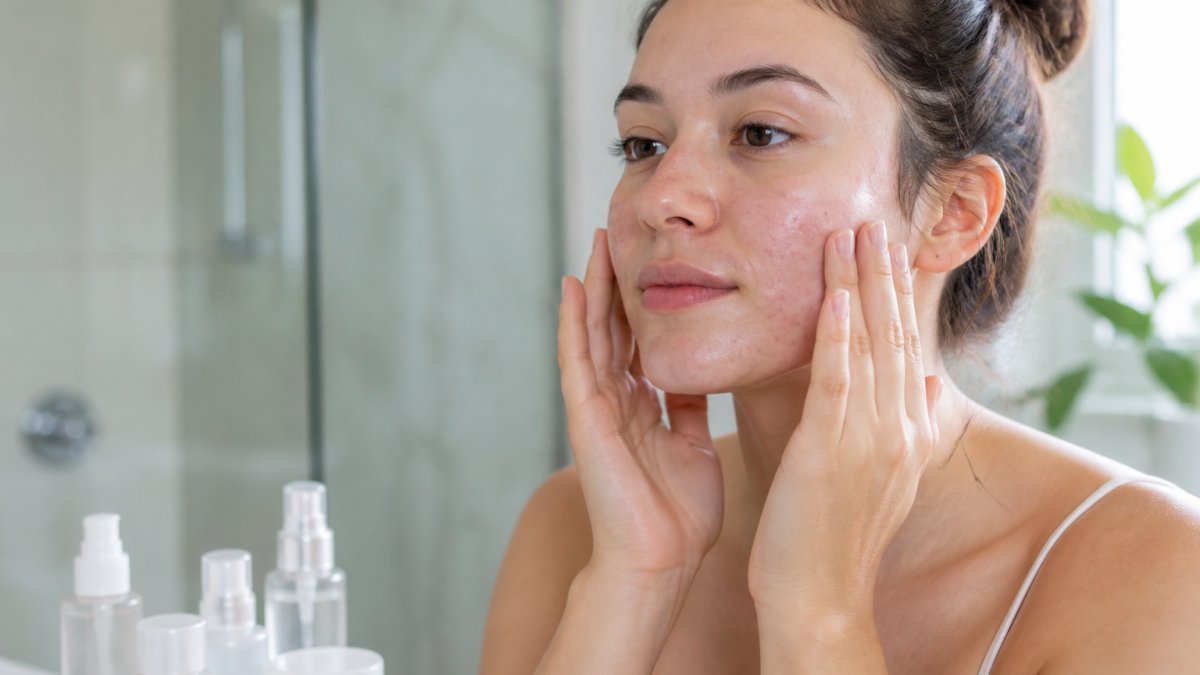
Skip alcohol-heavy toners. Instead, look for humectants that pull water into the skin:
- Glycerin draws water in and is well tolerated
- Hyaluronic acid holds water and plumps the surface
- Panthenol soothes and supports the barrier
Pat the product in with your palms rather than wiping with a cotton pad. Pressing helps absorption and avoids friction on sensitive areas.
Our Purifying Toner uses salicylic acid with soothing organic lavender flower water and glycerin to so it clears pores while adding a touch of moisture. You can see it here: Purifying Toner.
Step 3: Choose a Moisturizer for Sensitive Acne-Prone Skin
This is where most people go wrong. They skip moisturizer because they fear breakouts, then wonder why skin feels tight.
The right moisturizer for sensitive acne-prone skin is lightweight, oil-free, and non-comedogenic. Gel creams and lotions beat heavy creams for breakout-prone skin. They add water-based hydration and seal it without a greasy feel.
How to Moisturize Acne-Prone Skin Without Clogging Pores
Follow these rules and you'll avoid the pore-clogging trap:
- Choose gel or water-based textures over thick balms
- Check for "non-comedogenic" and "oil-free" on the label
- Apply to damp skin so it locks in water
Our Oil-Free Hydrating Gel is built exactly for this. It uses hyaluronic acid, betaine, and watercress extract for lasting hydration, with organic aloe to calm redness. It's $39.99 and you can find it here: Oil-Free Hydrating Gel.

If you want the full two-step routine, the Clear + Hydrate Duo pairs the toner and gel for $59.49, and the two-month bundle runs $111.99.


Step 4: Build a Dehydrated Acne-Prone Skin Routine That Fits Your Day
A dehydrated acne-prone skin routine works best when it's simple, consistent, and ordered correctly. Product order matters more than product count: thinnest to thickest, water-based before oil-based, and hydration applied while skin is still damp so humectants have water to pull in.
The Morning Sequence
- Cleanse (or just rinse). If you used an acne active the night before, a lukewarm water rinse is often enough in the morning. If skin feels oily, use your low-foam cleanser. Pat dry for no more than a few seconds, leave skin slightly damp.
- Hydrate on damp skin. Press a hydrating toner or watery essence into skin with your palms while it's still damp from cleansing. This is the single most important timing rule: humectants like glycerin and hyaluronic acid need ambient water to draw in, and applying them to bone-dry skin can actually pull moisture from deeper layers.
- Seal with a gel moisturizer. Apply your oil-free gel while the toner is still tacky. The moisturizer's emollients and occlusives lock in the water you just added. Use a pea-sized amount, then add more only on rough patches.
- Protect. Finish with a broad-spectrum sunscreen of SPF 30 or higher. Sunscreen is non-negotiable if you use retinoids or acids, because those actives increase photosensitivity.
The Evening Sequence
- Remove sunscreen and makeup first. A cleansing oil or balm lifts sunscreen and makeup without stripping. Follow with your gentle low-foam cleanser, the two-step method removes residue without over-drying.
- Hydrate on damp skin. Same rule as morning: toner or essence pressed in while skin is damp.
- Treat on scheduled nights only. Apply your acne active (salicylic acid, benzoyl peroxide, or a retinoid, not all three) two to three nights per week while your barrier recovers. Wait a minute or two for it to absorb.
- Moisturize over the active. Seal with your gel moisturizer. On off nights, skip the active and go straight from toner to moisturizer.
How to Layer Hydrators and Seal in Moisture
The layering rule is simple: water-based products first, then creams, then occlusives. A hydrating toner or essence goes on damp skin. A serum, if you use one, goes next. A gel or lotion moisturizer seals those layers. A heavier cream or balm goes last, and only on areas that truly need it, usually cheeks and around the mouth, not the T-zone.
Two practical rules make layering work:
- Apply each layer within about 60 seconds of the last so skin never fully dries between steps. Once skin is dry, you've lost the damp-skin window.
- Use a cream over a serum when skin feels tight and flaky, not just shiny. A serum adds water; a cream adds the lipids that slow water loss. If your skin is dehydrated but oily, a gel is usually enough. If it's dehydrated and flaky, a light cream at night helps more than another serum.
A Sample Week
| Day | Morning | Evening |
|---|---|---|
| Monday | Rinse, toner, gel, SPF | Cleanse, toner, active, gel |
| Tuesday | Rinse, toner, gel, SPF | Cleanse, toner, gel |
| Wednesday | Rinse, toner, gel, SPF | Cleanse, toner, active, gel |
| Thursday | Rinse, toner, gel, SPF | Cleanse, toner, gel |
| Friday | Rinse, toner, gel, SPF | Cleanse, toner, active, gel |
| Saturday | Rinse, toner, gel, SPF | Cleanse, toner, gel |
| Sunday | Rinse, toner, gel, SPF | Cleanse, toner, gel |
Keep actives to two or three nights a week while your barrier recovers. On off nights, hydrate and moisturize only. If skin stings when you apply the active, drop back to one night a week and rebuild.
Step 5: Patch Test and Introduce New Products Gradually
Sensitive skin reacts to change itself, not just to ingredients. That's why the order and pace of introduction matter as much as the product you choose. Add one new product at a time, and wait before judging it.
The Patch Test Method
- Apply a small amount behind your ear or on your jawline, not on an active breakout
- Wait 24 to 48 hours and check for redness, itching, or stinging
- If clear, use the product every other day for the first week
If you react, stop the product and return to your baseline routine for a week before testing anything else. Testing two products at once tells you nothing about which one caused the problem.
Adjust Hydration by Climate, Season, and Indoor Conditions
This is the part most guides skip, and it's where sensitive acne-prone skin gets thrown off.
Low humidity (winter, desert climates, heated rooms). Cold outdoor air holds less moisture, and indoor heating dries it further.
Air conditioning and forced-air heating. Both pull moisture out of the air.
Travel and seasonal transitions. When you move between climates, give skin about a week to adjust before changing products.
A Simple Rule for Adjusting
If skin feels tight but not flaky, add water-based hydration (an extra toner layer). If skin feels tight and flaky, add a light cream at night. If skin feels greasy and product is pilling, you've over-layered, drop back to toner plus gel. Adjust one variable at a time so you can tell what helped.
Frequently Asked Questions
Is it better to hydrate or dry out acne?
Hydrating is the better approach for most people with acne. Drying out skin with harsh cleansers and high-strength actives can damage the skin barrier, which leads to more irritation, redness, and rebound oil production. A lightweight, non-comedogenic moisturizer supports the barrier while keeping pores clear. The Journal of Drugs in Dermatology published a 2025 study (Bernhardt et al., 2025;24(12):1239) showing improved barrier function and skin attributes without worsening acne symptoms when hydration was part of the routine.
What are the signs of dehydrated acne-prone skin?
Common signs of dehydrated acne-prone skin include tightness after cleansing, flaky patches around the nose and mouth, dullness, fine lines that appear worse after washing, and skin that feels oily on the surface but still uncomfortable underneath. Redness and stinging when applying products are also clues. Dehydration is about water loss, not oil, so skin can be both oily and dehydrated at the same time. If these signs persist, simplify your routine and focus on gentle cleansing and lightweight hydration.
How can you moisturize acne-prone skin without clogging pores?
Look for labels that say non-comedogenic and oil-free, and choose gel creams or lotions over heavy creams. Apply moisturizer to slightly damp skin after cleansing so it seals in water. Avoid ingredients like heavy oils, lanolin, and thick butters if you are breakout-prone. A product like AcneologyHQ's Oil-Free Hydrating Gel ($39.99) uses hyaluronic acid, betaine, and aloe to hydrate without a greasy feel. Patch test first and introduce one product at a time.
How often should you moisturize sensitive, acne-prone skin?
Twice daily is the standard: once in the morning and once at night after cleansing. If your skin feels tight or dry during the day, a light layer of hydrating gel can be reapplied. In cold or dry climates, you may need a slightly richer formula at night, while humid weather may call for a lighter gel. Consistency matters more than frequency. Watch for irritation and adjust based on how your skin feels rather than following a fixed number of applications.
Struggling with skin that's both breakout-prone and uncomfortable? AcneologyHQ™ builds physician-curated, non-comedogenic, oil-free formulas designed to hydrate without clogging pores. Our Oil-Free Hydrating Gel and Purifying Toner deliver lightweight moisture and oil control in two simple steps. Get started with AcneologyHQ™ and give your skin the hydration and clarity it's been missing.
