
Table of Contents
- Why Oily Skin Needs Moisturizer (And Why Oil-Free Matters)
- Hydration Without Adding Excess Oil or Shine
- Prevents Clogged Pores and Breakouts
- Strengthens Your Skin Barrier Without Greasiness
- Best Oil-Free Moisturizer for Oily Skin: What to Look For
- Gel Moisturizer for Oily Skin vs. Traditional Formulas
- Oil-Free vs. Gel Moisturizer: Which Works Better for You
- How to Moisturize Oily Skin Without Looking Greasy
- Frequently Asked Questions
Last Updated: October 21, 2026
Why Oily Skin Needs Moisturizer (And Why Oil-Free Matters)
The biggest misconception about oily skin is that it doesn't need hydration. In reality, oily skin often produces excess sebum as a compensatory mechanism when the skin barrier is compromised or dehydrated. When your skin feels tight after cleansing, it's signaling that it needs moisture, not more oil, but actual hydration. This is where the benefits of oil-free moisturizer for oily skin become essential.
Many customers with oily, acne-prone skin are trapped in a cycle: they skip moisturizer to avoid greasiness, their skin becomes more dehydrated, and their oil production accelerates in response. The solution isn't to abandon hydration, it's to choose the right formula. Oil-free moisturizers deliver water-based hydration that your skin barrier genuinely needs without triggering the excess sebum production that leads to clogged pores and breakouts.
The distinction matters because not all moisturizers work the same way. Traditional creams and lotions rely on occlusive oils to lock in moisture, which can suffocate oily skin and create an environment where acne thrives. Oil-free formulas, by contrast, use hydrating ingredients like hyaluronic acid and water-based humectants to draw moisture into the skin without adding a greasy film. For people with oily skin, this difference determines whether moisturizer becomes part of the solution or part of the problem.
Hydration Without Adding Excess Oil or Shine
The primary benefit of oil-free moisturizer for oily skin is delivering genuine hydration while maintaining a matte or natural finish. Hydration and oil production are separate concerns, your skin can be both well-hydrated and oil-free, or it can be dehydrated and oily simultaneously. Most people with oily skin experience the latter, which is why adding an oil-based moisturizer makes everything worse.
Water-based gel moisturizers work by using hydrating ingredients that bind water to your skin cells, plumping the skin and improving its texture without creating a barrier that traps heat and bacteria. When your skin is properly hydrated at the cellular level, it doesn't compensate by producing excess sebum. You get the suppleness and comfort of a moisturized complexion without the midday shine that makes oily skin feel out of control.
The Oil-Free Hydrating Gel from AcneologyHQ™ exemplifies this approach. Formulated with hyaluronic acid, betaine, and watercress extract, it provides lasting hydration while keeping pores clear. The fast-absorbing formula means you won't experience that sticky, greasy feeling that makes people with oily skin reluctant to moisturize in the first place. Proper hydration also supports your skin barrier, which reduces inflammation and creates a more stable environment for healing breakouts.

Prevents Clogged Pores and Breakouts
One of the most significant benefits of oil-free moisturizer for oily skin is its role in preventing clogged pores and the breakouts that follow. Clogged pores occur when sebum, dead skin cells, and bacteria accumulate inside the follicle. When you add oil-based products on top of naturally oily skin, you're essentially sealing that pore and creating an anaerobic environment where acne bacteria thrive.
Oil-free, non-comedogenic formulas are specifically designed not to clog pores. They use lightweight, water-soluble ingredients that don't accumulate in follicles or interfere with normal skin shedding. This allows your skin to maintain its natural clearance process while still receiving the hydration it needs. The result is fewer breakouts, less inflammation, and clearer skin over time.
The distinction between "oil-free" and "non-comedogenic" matters here. Oil-free means the product contains no added oils. Non-comedogenic means it's been tested and proven not to clog pores in most people. The best formulas are both.
Many people with oily skin experience breakouts within days of using the wrong moisturizer because that product clogs pores or disrupts the skin barrier. By contrast, the right oil-free formula can actually reduce breakout frequency because it supports skin barrier function and doesn't introduce pore-clogging ingredients.
Strengthens Your Skin Barrier Without Greasiness
Your skin barrier is a protective layer composed of lipids, proteins, and water that keeps irritants out and moisture in. When your barrier is compromised, your skin becomes more sensitive, more prone to inflammation, and ironically, more likely to overproduce oil. Many people with oily skin actually have a damaged barrier, which is why they experience both excessive oil and persistent irritation.
Oil-free moisturizers support barrier function through hydrating ingredients rather than heavy occlusive oils. Ingredients like hyaluronic acid draw moisture into the skin and help it stay there (Hyaluronic acid: A key molecule in skin aging). Organic aloe and plant extracts reduce redness and calm inflammation. Together, these components strengthen your barrier without adding the greasiness that makes oily skin feel uncomfortable.
A strengthened barrier means less irritation, less reactive oil production, and a more stable foundation for treating acne. When your barrier is healthy, your skin doesn't overcompensate by producing excess sebum. This is why consistent use of the right oil-free moisturizer often leads to a noticeable reduction in oiliness over time, not because the product dries your skin out, but because it allows your skin to regulate itself properly.
Best Oil-Free Moisturizer for Oily Skin: What to Look For
When selecting an oil-free moisturizer for oily skin, ingredient quality and formula type matter more than brand recognition. Here's what to prioritize:
Hydrating ingredients: Look for hyaluronic acid, glycerin, betaine, or other humectants that draw water into the skin. These are the workhorses of effective hydration without greasiness.
Water-based formulation: The product should list water as the first or second ingredient. Oil-based moisturizers, even those labeled "lightweight," will still feel heavy and greasy on oily skin.
Soothing botanicals: Aloe, chamomile, green tea extract, or watercress help calm inflammation and reduce redness without adding oil. These ingredients support barrier health and make the moisturizer feel more comfortable on sensitive, acne-prone skin.
Non-comedogenic certification: This means the product has been tested and proven not to clog pores. It's not a guarantee that it won't cause breakouts in your specific case, but it significantly reduces the risk.
Lightweight texture: Gels and serums are ideal for oily skin. Creams and butters, even oil-free ones, tend to feel heavier and leave a residue. A gel formula absorbs quickly and leaves skin feeling fresh rather than coated.
The Oil-Free Hydrating Gel from AcneologyHQ™ checks every box. It's water-based with hyaluronic acid for hydration, contains organic aloe for soothing, and has a fast-absorbing gel texture that leaves no grease. At $39.99, it's a physician-curated formula designed specifically for acne-prone skin.
Gel Moisturizer for Oily Skin vs. Traditional Formulas
Gel moisturizers and traditional creams serve different purposes on oily skin. Understanding the difference helps you choose the right formula for your needs.
Gel moisturizers are water-based, lightweight, and designed to absorb quickly without leaving a film on the skin. They're ideal for oily skin because they provide hydration without the occlusive feeling of cream. The texture is thin and refreshing, which makes people actually want to use them consistently.
Traditional moisturizers, creams and lotions, are thicker and rely more heavily on occlusive ingredients to lock in moisture. While some lightweight creams exist, most traditional formulas are too heavy for oily skin and can trigger breakouts or make shine worse. They're better suited for dry or mature skin types where occlusion is beneficial.
For oily skin, a gel moisturizer is almost always the better choice. The hydration benefit is comparable, but the user experience is dramatically different. People with oily skin are more likely to skip moisturizer if it feels greasy, so the texture and feel of the product directly impacts whether they actually use it consistently.
The Clear + Hydrate Duo from AcneologyHQ™ pairs a Purifying Toner with the Oil-Free Hydrating Gel, creating a complete routine designed specifically for oily and combination skin. At $59.49 for a month's supply, it's a simplified approach that addresses both oil control and hydration without unnecessary products.

Oil-Free vs. Gel Moisturizer: Which Works Better for You
"Oil-free" and "gel" aren't mutually exclusive, most gel moisturizers are oil-free, but not all oil-free products are gels. Understanding the difference helps you navigate product labels and choose what actually works for your skin.
An oil-free moisturizer simply means the product contains no added oils. It could be a gel, a serum, a lotion, or even a cream. The key is that no oil-based ingredients are included. This matters because oil can clog pores and trigger breakouts in acne-prone skin, regardless of the product's overall texture.
A gel moisturizer is defined by its texture and consistency. Gels are typically water-based and have a lighter, more fluid consistency than creams. They absorb quickly and don't leave a residue. A gel moisturizer is almost always oil-free, but calling something "gel" tells you more about how it feels and performs than calling it "oil-free" alone.
For oily skin, you want both: an oil-free formula in a gel texture. This combination ensures you're getting genuine hydration without any pore-clogging ingredients, and the gel texture means it won't feel heavy or greasy on your skin.
When shopping, prioritize gel texture over everything else. A gel moisturizer is almost always the right choice for oily skin. Then verify it's oil-free by checking the ingredient list, water should be the first ingredient, and you shouldn't see oils like jojoba, argan, or coconut listed near the top.
| Feature | Oil-Free Moisturizer | Gel Moisturizer | Oil-Free Gel (Best for Oily Skin) |
|---|---|---|---|
| Contains added oils | No | Varies | No |
| Texture | Varies (cream, lotion, gel) | Light, fluid | Light, fluid |
| Absorption speed | Varies | Fast | Fast |
| Residue or shine | Possible | Minimal | Minimal |
| Best for oily skin | Usually | Yes | Yes |
How to Moisturize Oily Skin Without Looking Greasy
Application technique and product amount matter as much as formula choice. Even the best oil-free moisturizer will look greasy if you use too much or apply it incorrectly.
Use a pea-sized amount per application. This is genuinely enough to cover your entire face when you apply it correctly.
Apply to damp skin immediately after cleansing. Damp skin allows the hydrating ingredients to penetrate more effectively and helps the product spread further.
Press the product into your skin rather than rubbing it in. Use your fingertips to gently press the moisturizer into your face, focusing on areas that feel tight or uncomfortable.
Wait two to three minutes before applying other products like sunscreen or makeup.
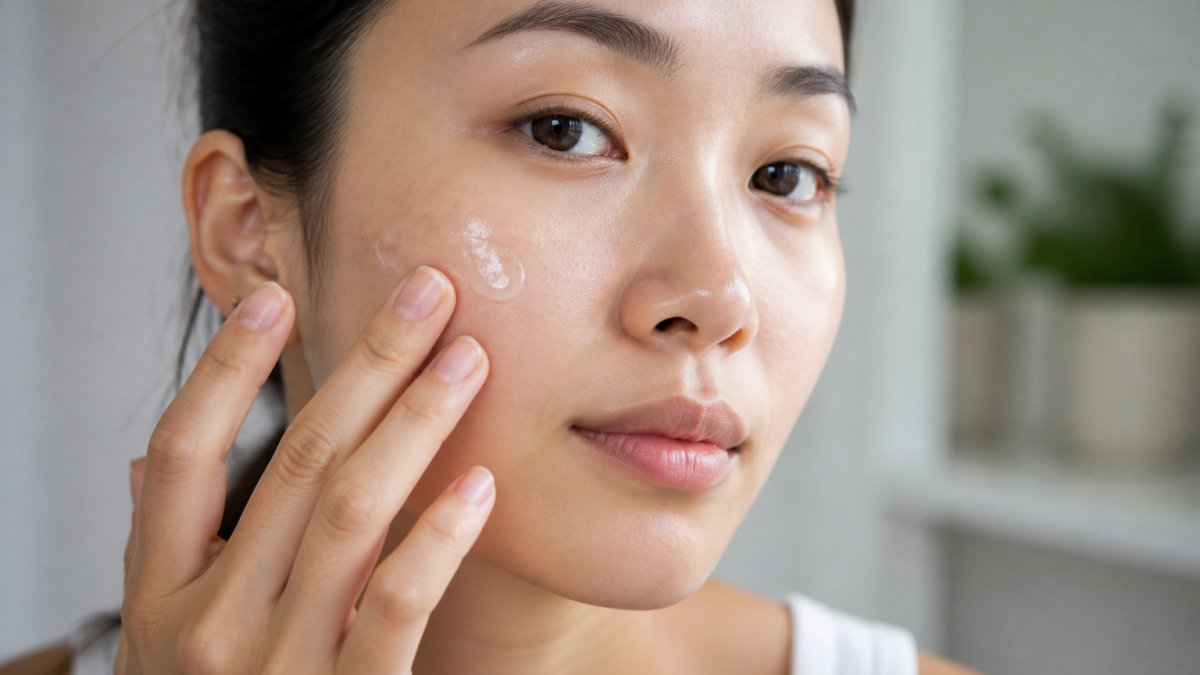
If you're using the Clear + Hydrate Duo Bundle from AcneologyHQ™, apply the Purifying Toner first to clear pores and balance pH, then follow with the Oil-Free Hydrating Gel using the technique above.
Many people find that their skin looks less oily overall when they moisturize correctly. This counterintuitive result happens because properly hydrated skin doesn't overproduce sebum in response to dehydration.
Frequently Asked Questions
Does oily skin actually need moisturizer?
Yes. Oily skin often produces excess sebum as a response to dehydration or a compromised skin barrier. When you skip moisturizer, your skin may overproduce oil to compensate. An oil-free moisturizer hydrates without triggering more sebum production, helping balance natural oil levels and supporting skin barrier function.
What ingredients should you look for in an oil-free moisturizer for oily skin?
Look for humectants like hyaluronic acid and glycerin, which draw moisture into the skin without adding oil. Betaine and aloe extract calm irritation and redness. Water-based formulas and lightweight gels absorb quickly. Avoid heavy oils, silicones, and occlusive ingredients that can clog pores. The Oil-Free Hydrating Gel combines hyaluronic acid, betaine, and aloe to deliver hydration while keeping skin clear.
Can oil-free moisturizer help reduce shine and prevent breakouts?
Yes. Oil-free moisturizers hydrate without adding excess sebum, which reduces shine throughout the day. By keeping your skin barrier healthy and hydrated, they reduce the irritation and dehydration that trigger breakouts. Non-comedogenic formulas won't clog pores, further lowering breakout risk.
How often should you apply oil-free moisturizer to oily skin?
Apply oil-free moisturizer twice daily: once after cleansing in the morning and once before bed. Use a pea-sized amount and press it gently into damp skin to maximize absorption. If your skin feels tight or uncomfortable after cleansing, apply immediately while skin is still slightly damp. This helps lock in hydration and prevents your skin from overproducing oil in response to dryness.